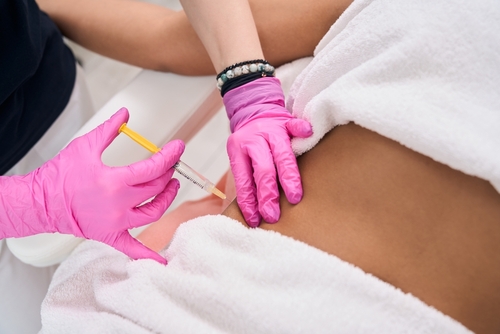
Understanding the Basics of Our Skin’s Elasticity
Whenever I look into the mirror, I often marvel at how resilient and dynamic our bodies truly are. However, as the years pass, you might notice that your skin does not bounce back quite the way it used to. If you are noticing a bit of sagging or drooping around your jawline, neck, or body, you are absolutely not alone. Finding the right skin laxity treatment can feel overwhelming, but I am here to guide you through it. Skin laxity is simply the medical term for loose skin. It happens to all of us, and the great news is that modern science has given us incredibly effective ways to restore that youthful, firm bounce.
To truly understand how a skin laxity treatment works, I always think it helps to look at the building blocks of our skin. Imagine your skin is like a brand-new mattress. The springs inside that keep it firm and bouncy are two vital proteins: collagen and elastin. Collagen provides the strong structural framework, while elastin allows your skin to stretch and snap back into place.
Here is an eye-opening Data Point: Scientific studies show that after we turn 20 years old, our bodies naturally produce about 1% less collagen in the skin each year. As these “mattress springs” slowly weaken, the skin begins to lose its natural firmness, leading to what we call laxity. But do not worry—there are countless positive and uplifting ways we can encourage our bodies to rebuild these proteins!
What Causes Our Skin to Lose Its Firmness?
Before we jump into the amazing treatments available today, I want to quickly explore why our skin loses its tightness in the first place. Knowing the causes empowers us to make better daily choices.
- The Natural Aging Process: As I mentioned, collagen and elastin production naturally slows down as we celebrate more birthdays.
- Sun Exposure: We all love a sunny day, but ultraviolet (UV) rays are the biggest enemies of firm skin. UV rays actually break down collagen fibers at a rapid pace.
- Rapid Weight Loss: If you have recently achieved a major weight loss goal, congratulations! However, the skin that stretched to accommodate your previous weight might not shrink back immediately, leaving some looseness behind.
- Genetics: Sometimes, how quickly our skin loses elasticity is simply inherited from our parents.
- Lifestyle Factors: Smoking, high-sugar diets, and chronic stress can all create free radicals that damage our skin’s structural proteins.
The Most Effective Non-Surgical Skin Laxity Treatment Options
I am thrilled to share that you do not need to go under the knife to see beautiful, noticeable results. The beauty industry has evolved rapidly, and there are now fantastic non-invasive options. In fact, here is a fascinating Data Point: According to the American Society of Plastic Surgeons, over 3.2 million minimally invasive cosmetic procedures related to skin tightening and texture improvement were performed in a single recent year! Let us look at the most popular options.
Radiofrequency (RF) Therapy
Radiofrequency is one of my absolute favorite innovations. During this skin laxity treatment, a specialist uses a device to send gentle, safe energy waves deep into your skin. This energy gently heats the deeper layers of your tissue. Why heat? Because warming the tissue tricks your body into thinking it has a minor injury, kicking your natural healing process into high gear. This means your body rushes to produce brand new, healthy collagen and elastin. The result is a gorgeous, gradual tightening of the skin. It feels a bit like a warm massage, and there is usually zero downtime.
Ultrasound Therapy (Ultherapy)
If you want to go even deeper without surgery, focused ultrasound energy is a spectacular choice. Treatments like Ultherapy bypass the surface of your skin entirely and deliver sound wave energy to the deep structural layers—the exact same layers a surgeon would target during a facelift. It stimulates collagen production from the inside out. I love recommending this for lifting the skin on the neck, under the chin, and on the eyebrows. You will start seeing a beautiful, natural lift over the course of two to three months.
Laser Resurfacing
Laser treatments use highly focused beams of light to treat loose skin. There are ablative lasers, which remove the top layer of skin to reveal smoother skin underneath, and non-ablative lasers, which heat the underlying tissue without harming the surface. Lasers are fantastic because they not only tighten the skin but also erase sun spots, fine lines, and uneven texture. If you want to dive deeper into how dermatologists use these tools, I highly suggest reading this informative guide on how to firm sagging skin by the American Academy of Dermatology.
Minimally Invasive Procedures for a Bigger Boost
Sometimes, we want results that are a bit more dramatic than what surface devices can offer, but we still want to avoid major surgery. This is where minimally invasive skin laxity treatments truly shine.
Microneedling with Radiofrequency
Imagine combining the collagen-boosting power of tiny needles with the deep-heating magic of radiofrequency. That is exactly what this treatment does! A device stamps microscopic needles into the skin, and once they are in, they emit RF heat. It sounds intimidating, but with a little numbing cream, it is highly tolerable. I have seen this treatment work wonders for sagging jowls, neck wrinkles, and even crepey skin on the stomach or knees. The skin repairs the micro-wounds by flooding the area with fresh collagen, leaving you with a firmer, more radiant complexion.
Thread Lifts
This is a brilliant procedure that I find fascinating. A professional carefully inserts dissolvable medical-grade threads just beneath the surface of your skin. These threads actually grab onto the loose tissue and physically lift it upwards. But that is not even the best part! As these threads naturally dissolve over several months, they stimulate massive collagen production in their wake. You get an immediate lift, followed by long-term firming.
A Quick Visual Guide to Your Options
Because there are so many wonderful choices, I created a quick reference chart to help you compare the most popular skin tightening methods. This should make it easier for you to decide which path aligns best with your goals and schedule.
| Treatment Type | How It Works | Average Downtime | When You See Results |
|---|---|---|---|
| Radiofrequency (RF) | Uses heat energy to boost collagen | None | 1 to 3 months |
| Ultherapy (Ultrasound) | Uses sound waves to target deep tissue | None to minimal | 2 to 6 months |
| RF Microneedling | Combines tiny needles with heat energy | 2 to 5 days | 3 to 6 weeks |
| Thread Lift | Uses dissolvable threads to lift skin | 3 to 7 days | Immediate & improves over time |
Topical Skincare: What You Can Do at Home
While professional treatments are incredible, I always tell people that good skincare starts at home. You can absolutely support your skin laxity treatment journey with the right daily products. Think of these ingredients as the daily vitamins your skin needs to stay strong and healthy.
- Retinoids (Vitamin A): This is the gold standard in dermatology. Retinol encourages your skin cells to turn over faster and stimulates the production of new collagen. It can make a visible difference in mild skin laxity over time.
- Vitamin C Serums: Vitamin C is a powerful antioxidant. It protects your existing collagen from environmental damage (like pollution and UV rays) and is actually a required ingredient for your body to synthesize new collagen.
- Peptides: Peptides are short chains of amino acids that act as messengers in the skin, telling it to produce more collagen and elastin. Adding a peptide cream to your nighttime routine is a wonderful, gentle way to firm things up.
- Hyaluronic Acid: While it does not build collagen, hyaluronic acid pulls massive amounts of hydration into the skin. Plump, hydrated skin automatically looks firmer and less saggy.
- Broad-Spectrum Sunscreen: If you only do one thing, let it be this! Protecting your skin from the sun prevents laxity from getting worse. I recommend an SPF of 30 or higher every single day.
If you are curious about combining home remedies with professional advice, Healthline’s comprehensive guide to managing loose skin provides excellent, medically reviewed insights into natural and clinical methods.
Surgical Solutions for Dramatic Transformations
I believe in exploring all avenues, and for some of us, surgery is simply the most logical and rewarding step. If you have a significant amount of loose skin—perhaps from a beautiful weight loss journey or advanced aging—non-surgical options might not give you the full result you desire. Surgical procedures remove the excess skin entirely and tighten the underlying muscles.
Procedures like facelifts, neck lifts, tummy tucks, and arm lifts offer immediate, long-lasting, and stunning transformations. Yes, they require actual downtime and a recovery period, but the boost in confidence my clients experience is truly priceless. If you are considering this route, always consult with a board-certified plastic surgeon who can safely guide you toward your aesthetic goals.
Nourishing Your Body for Firmer Skin from Within
I always remind people that your skin is an organ, and it reflects what is happening inside your body. A holistic approach to skin laxity treatment involves taking care of yourself from the inside out.
First, focus on a protein-rich diet. Because collagen and elastin are proteins, your body needs an abundant supply of amino acids (the building blocks of protein) to create them. Lean meats, beans, eggs, and nuts are fantastic choices. You might also consider adding a hydrolyzed collagen peptide supplement to your morning coffee or smoothie. While the science is still evolving, many people—including myself—have noticed a wonderful improvement in skin hydration and bounce.
Hydration is equally crucial. Drinking plenty of water keeps the cells in your skin plump and resilient. Finally, try to limit refined sugars. Excess sugar in the bloodstream can lead to a process called glycation, where sugar molecules attach to collagen proteins, making them stiff and brittle. A balanced, colorful diet full of antioxidants will protect your skin and keep it glowing.
Moving Forward on Your Journey to Radiant, Firm Skin
Embarking on a journey to improve your skin’s firmness is a beautiful act of self-care. I want you to remember that our bodies are constantly changing, and there is no single “perfect” standard of beauty. Whether you choose to invest in a series of high-tech radiofrequency treatments, incorporate a powerful retinol into your evening routine, or simply focus on hydrating and nourishing your body from within, every positive step you take is a win for your skin health.
The field of dermatology is advancing so quickly, bringing us safer, more comfortable, and more effective skin laxity treatment options every single year. I encourage you to consult with a trusted dermatologist or aesthetician to map out a personalized plan that makes you feel joyful and confident. Here is to celebrating your skin, embracing your natural beauty, and enjoying the vibrant, youthful glow you truly deserve!