
Understanding the Magic of Collagen in Our Bodies
I remember looking in the mirror one morning and noticing that my skin simply did not have the same bounce it used to. The natural, effortless glow I took for granted in my early twenties seemed to be slowly fading, replaced by a duller complexion and the faint arrival of fine lines. This led me on a fascinating journey to understand exactly what holds our skin, joints, and even our hair together. The answer I found is a truly magical protein called collagen.
Collagen is the most abundant protein in the human body. Think of it as the scaffolding or the structural glue that keeps everything firm, plump, and lifted. It forms a resilient network in the dermis—the deep layer of our skin—providing elasticity and strength. Beyond beauty, it cushions our joints and strengthens our bones. However, as we journey through life, this vital scaffolding slowly begins to break down. If you are noticing these changes and asking yourself how to restore collagen, I want to reassure you that you are not alone, and there are wonderful, science-backed ways to rebuild it.
Why Do We Lose Our Natural Scaffolding?
Before we can rebuild, I always find it helpful to understand why we are losing something in the first place. Our bodies are incredibly efficient at producing collagen when we are young. Our biological factories, known as fibroblasts, work around the clock. But as we age, these factories start to slow down.
Age is not the only factor, though. Our environment and our daily habits play a massive role. Excessive exposure to ultraviolet (UV) rays from the sun penetrates the skin and damages the existing collagen fibers. A diet high in refined sugars leads to a process called glycation, where sugar molecules attach to collagen proteins, making them stiff and brittle. Add in daily stressors, lack of sleep, and environmental pollution, and our natural collagen reserves deplete much faster than we would like.
The great news is that we have so much control over our daily habits. By making a few intentional changes, we can protect the collagen we currently have and actively encourage our bodies to produce more.
Proven Strategies on How to Restore Collagen
When I started my research on how to restore collagen, I realized that there is no single “magic pill.” Instead, it is a beautiful combination of nourishing the body from the inside, protecting it on the outside, and utilizing targeted skincare and lifestyle habits. Let me share the most effective, evidence-based methods I have discovered to help you reclaim that firm, radiant glow.
Nourish from the Inside Out: Diet and Nutrition
The foundation of rebuilding your skin and joints starts on your plate. Your body needs specific building blocks—primarily amino acids—to synthesize new collagen. The three main amino acids involved are glycine, proline, and hydroxyproline. You can give your body exactly what it needs by incorporating the right foods into your daily meals.
- Bone Broth: Simmering animal bones for an extended period releases incredible amounts of collagen, amino acids, and vital minerals. I love starting my morning with a warm cup of high-quality bone broth; it is soothing and incredibly nourishing for the skin and gut.
- Lean Proteins: Chicken, fish, and egg whites are packed with the exact amino acids your body requires to build its scaffolding. Marine collagen, sourced from fish skin and scales, is particularly known for its high bioavailability, meaning your body absorbs it very easily.
- Vitamin C-Rich Foods: Here is a crucial secret I learned: your body absolutely cannot form collagen without Vitamin C. It is the essential cofactor in the production process. Loading up on citrus fruits, bell peppers, strawberries, and broccoli ensures your body can actively link those amino acids together.
- Zinc and Copper: These trace minerals support the function of fibroblasts (the cells that create collagen). You can find them in nuts, seeds, beans, and leafy greens.
The Power of Collagen Supplements
Even with the most perfect diet, I found it difficult to consume enough collagen-boosting foods every single day. That is where high-quality supplements come into play. Hydrolyzed collagen peptides have been broken down into smaller, easily digestible particles, allowing them to enter your bloodstream and reach your skin and joints efficiently.
There is robust science backing this up. To learn more about the incredible benefits of these supplements, I highly recommend checking out this comprehensive guide on everything you need to know about collagen. Adding a scoop of unflavored collagen peptides to my morning coffee or a post-workout smoothie has become a seamless, rewarding part of my daily routine.
Skincare That Actually Supports Collagen Production
While feeding our bodies internally is non-negotiable, applying the right topical treatments can dramatically accelerate our results. The skincare industry is flooded with products, but only a few ingredients have the scientific backing to truly stimulate collagen production at a cellular level.
Retinoids: The Gold Standard
If there is one ingredient dermatologists universally praise, it is retinol (and its stronger prescription counterpart, tretinoin). Retinoids are Vitamin A derivatives that dive deep into the skin to speed up cell turnover and kick-start those lazy fibroblasts. When I first introduced a gentle retinol into my evening routine, I experienced a bit of peeling, but after a few weeks, the renewed elasticity in my skin was undeniable. Retinoids literally signal your skin to behave like younger skin, producing fresh, healthy collagen.
Vitamin C Serums
Just as Vitamin C is vital in our diets, it is equally powerful when applied directly to the skin. A high-quality, stable Vitamin C serum applied every morning serves a dual purpose. First, it actively aids in local collagen synthesis. Second, it acts as a potent antioxidant, neutralizing the free radicals generated by UV rays and pollution that want to destroy your skin’s firmness.
Chemical Exfoliants (AHA/BHA)
Alpha-hydroxy acids (like glycolic and lactic acid) do more than just sweep away dead skin cells to reveal a brighter complexion. By removing the top layer of dead skin, AHAs promote skin regeneration and have been shown to increase collagen density in the deeper layers over time.
Daily Habits to Protect Your Skin’s Foundation
Learning how to restore collagen is only half the battle; the other half is fiercely protecting what you have. I completely shifted my perspective on lifestyle habits once I realized how deeply they impact my body’s structural proteins.
First and foremost is sun protection. UV radiation accelerates the breakdown of collagen more rapidly than natural aging. Applying a broad-spectrum sunscreen with an SPF of 30 or higher every single day—rain or shine—is the ultimate anti-aging secret. It acts as an invisible shield, keeping your precious collagen safe from environmental degradation. For an excellent visual breakdown of how collagen works throughout your entire body and how to protect it, you can explore this insightful slideshow on collagen and your body.
Next is beauty sleep, which is far more than just a catchy phrase. During the deepest stages of sleep, our bodies go into intense repair mode. Growth hormones are released, and cell turnover reaches its peak. I strive for seven to eight hours of quality sleep a night because I know that is when my body is actively rebuilding the microscopic damage incurred during the day.
Finally, managing stress is surprisingly vital for skin health. Chronic stress triggers a steady release of cortisol. High cortisol levels have been shown to directly interfere with collagen production and accelerate its breakdown. Incorporating daily mindfulness, whether through a brief morning meditation, a walk in nature, or simply deep breathing, profoundly benefits our skin’s resilience.
Professional Treatments for a Major Boost
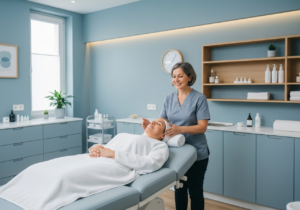
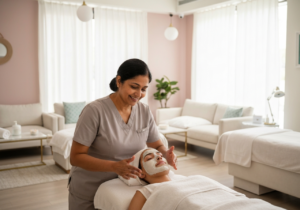
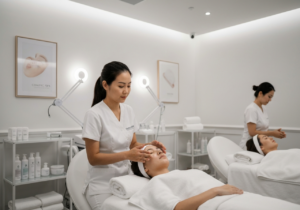
Sometimes, we want to take things a step further and call in the professionals. I have explored several in-office treatments that utilize our body’s natural healing response to generate massive amounts of fresh collagen.
- Microneedling: This process uses tiny, sterile needles to create micro-injuries in the skin. The body perceives these micro-injuries as damage and rushes to heal them by flooding the area with brand-new collagen and elastin. The result is smoother, plumper skin and a significant reduction in acne scars and fine lines.
- Red Light Therapy: I absolutely love this gentle, non-invasive treatment. Red and near-infrared light wavelengths penetrate the skin deeply to stimulate cellular energy. This energy gives fibroblasts the fuel they need to ramp up collagen synthesis without any downtime or discomfort.
- Laser Resurfacing: Fractional lasers work by targeting microscopic columns of tissue deep in the skin. The heat generated forces the body to shed the older, damaged tissue and replace it with firm, collagen-rich skin. While it requires a bit of recovery time, the dramatic improvement in skin texture is highly rewarding.
Data Snapshot: The Impact of Aging and Supplementation
I always find that looking at hard data helps cement my understanding of why these habits are so important. Let me share two vital pieces of data I came across during my research that completely changed my approach to skin health.
Data Point 1: According to dermatological research, starting around age 20, a person produces approximately 1% less collagen in the dermis every single year. By the time we reach our 40s and 50s, this gradual decline becomes visibly apparent through sagging and wrinkling.
Data Point 2: It is not all bad news! A double-blind, placebo-controlled study revealed that women who consumed a specific collagen peptide supplement daily for just 8 weeks experienced a remarkable 20% reduction in eye wrinkle depth compared to the placebo group.
To help visualize the natural decline of our body’s protein production over time, I created this simple chart reflecting the estimated average collagen production capacity relative to age:
Average Natural Collagen Production Capacity by Age
*Estimations based on the average 1% annual decline starting in early adulthood.
Embracing a Youthful, Glowing Future
My journey into understanding the building blocks of my body has been incredibly empowering. Knowing that I am not powerless against the hands of time brings me a profound sense of confidence. By simply feeding my body the amino acids it craves, protecting my skin from harmful UV rays, utilizing smart skincare ingredients like retinoids and Vitamin C, and perhaps exploring the occasional professional treatment, I have actively taken charge of my skin’s health.
If you have been feeling discouraged by changes in your skin elasticity, joint comfort, or hair health, I encourage you to view this as an exciting opportunity to upgrade your daily self-care routine. Restoring this essential protein does not require an overnight overhaul. It is about making small, joyful choices—like savoring a vibrant citrus salad, enjoying a few quiet moments of meditation to lower stress, or lovingly applying your evening skincare routine.
Every positive habit you build acts as an investment in your cellular scaffolding. Your body is a miraculous, self-healing mechanism that responds beautifully to care and nourishment. By embracing these proven lifestyle, dietary, and topical strategies, you are paving the way for a firm, radiant, and incredibly vibrant future.